//
Inner Pages
//
Contact
Tell us about your project, your goals, or your challenges, and let’s start shaping what’s next together.
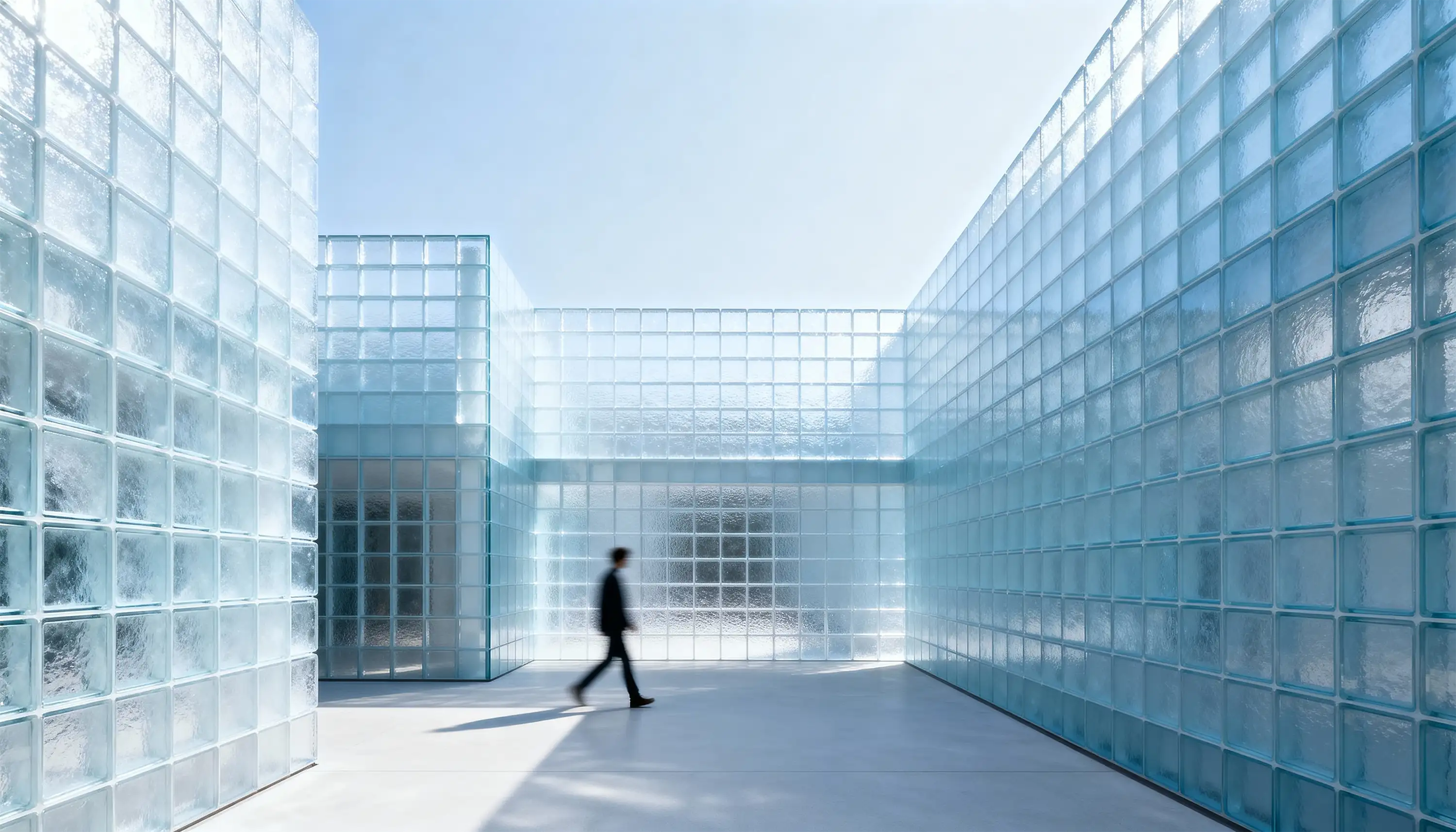
Haus is a digital environment where design and code coexist seamlessly. The project started with a challenge: to build a system that could grow without losing its sense of structure and clarity. Every interaction within Haus was engineered as part of a rhythm — consistent, predictable, and human. Our focus was to turn technical complexity into an experience that feels effortless, functional, and alive.
Haus was built as a framework that merges logic and emotion. Our goal was to make every interaction feel natural — not engineered — by aligning visual rhythm with technical precision.
We treated every module as part of a system. Design components and code architecture evolved together, keeping usability predictable and the experience calm.
Technology remains invisible when designed right. The structure of Haus balances consistency with empathy — a digital space that feels quietly intuitive.

We developed a design and code system that operates as one. Every module — from navigation to motion layer — follows the same architectural logic.
Interactions were reduced to essentials. The interface remains quiet and predictable, allowing complexity to fade into simplicity.
Haus was built to adapt. Its modular structure enables ongoing iteration without breaking design consistency or system behavior.